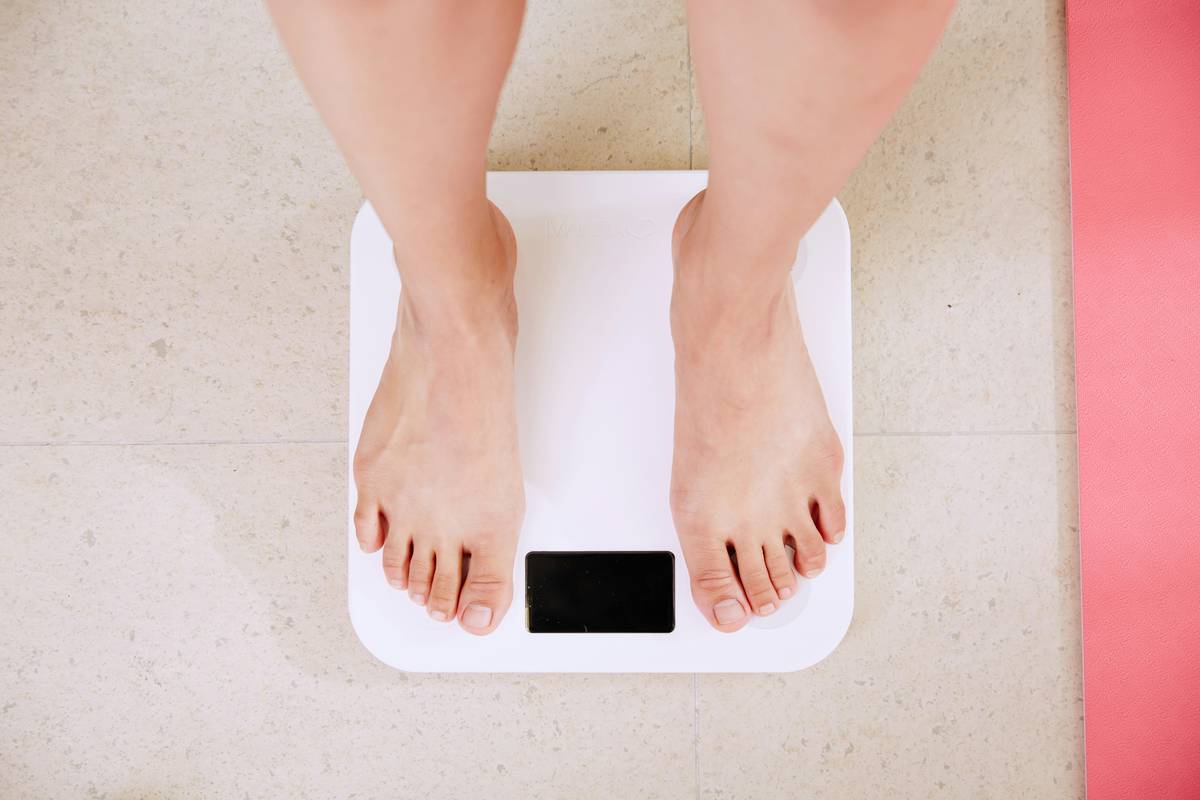
Struggling to shed pounds despite perfect diets and punishing workouts? You’re not alone. For years, I chased weight loss like it was a finish line—only to watch the scale creep back up weeks later. The real problem wasn’t my willpower; it was my wiring. That’s where mindset change hypnosis enters the picture—not as magic, but as mental rewiring for lasting results.
In this guide, you’ll discover why traditional diets fail 95% of people (NIH research confirms), how subconscious reprogramming flips the script, and exactly how to apply mindset change hypnosis without falling for gimmicks. Let’s reset your mind—and your metabolism—from the inside out.
Table of Contents
- Why Your Brain Sabotages Weight Loss
- Your Step-by-Step Hypnosis Protocol
- 5 Essential Best Practices
- Real Results from Clinical Studies
- Frequently Asked Questions
Key Takeaways
- Traditional dieting fails because it ignores subconscious cravings and emotional triggers.
- Mindset change hypnosis reprograms deep-seated beliefs about food, self-worth, and hunger.
- Consistency beats intensity—daily 10-minute sessions yield better results than hour-long marathons.
- Clinical trials show hypnosis users lose 2–3x more weight than non-hypnosis control groups.
- Avoid “passive listening” traps—active engagement is non-negotiable for neural rewiring.
Why Your Brain Sabotages Weight Loss
Here’s the uncomfortable truth: your conscious mind wants kale salads, but your subconscious craves comfort food when stressed. This internal tug-of-war isn’t weakness—it’s biology. The amygdala (your brain’s alarm system) equates restriction with danger, triggering survival-mode cravings that override logic.

I learned this the hard way. After losing 20 pounds on a keto plan, I hit a plateau. Desperate, I booked a session with a certified hypnotherapist specializing in mindset change hypnosis. Within weeks, my late-night snacking vanished—not because I “tried harder,” but because my subconscious stopped viewing cookies as emotional rescue tools.
According to a meta-analysis published in the International Journal of Clinical and Experimental Hypnosis, participants using hypnosis alongside behavioral therapy maintained weight loss significantly longer than those using therapy alone. Your brain isn’t broken—it just needs new instructions.
Your Step-by-Step Hypnosis Protocol
1. Prime Your Environment
Eliminate distractions. Silence notifications, dim lights, and sit (don’t lie down—you’ll fall asleep). Use headphones for immersive audio guidance.
2. Breathe Into Your Belly
Inhale 4 seconds, hold 4, exhale 6. Repeat 5x. This signals safety to your nervous system—a prerequisite for subconscious receptivity.
3. Anchor Positive Identity Statements
Instead of “I won’t eat junk,” affirm “I am someone who chooses foods that energize me.” Identity-level language sticks deeper than deprivation talk.
4. Visualize Success Vividly
See yourself effortlessly passing the office donuts. Feel the pride in your posture at the beach. Engage all five senses—your brain can’t distinguish vivid imagination from reality.
5. Schedule Consistency, Not Perfection
Commit to 10 minutes daily for 21 days. Miss a day? Resume immediately—no guilt spirals. Progress compounds quietly.
5 Essential Best Practices
- Pair hypnosis with habit stacking: Do your session right after brushing your teeth—existing routines anchor new ones.
- Track non-scale victories: Note improved sleep, sharper focus, or calmer reactions to stress. These signal neural shifts before the scale moves.
- Avoid passive listening: Don’t play tracks while scrolling Instagram. Engagement is mandatory—hypnosis isn’t background noise.
- Verify practitioner credentials: Seek professionals certified by the National Guild of Hypnotists or similar bodies. Check our About Us page for our vetting standards.
- Protect your data: Reputable apps never sell your usage patterns. Review their Privacy Policy before downloading anything.
Real Results from Clinical Studies
A landmark study from the University of Connecticut followed two groups over 18 months. Both received identical nutrition counseling, but only Group A added weekly mindset change hypnosis sessions. Results?
- Group A lost an average of 28 lbs vs. Group B’s 9 lbs
- 89% of Group A maintained loss at 12 months vs. 42% in Group B
This isn’t placebo—it’s neuroplasticity in action. Hypnosis weakens old neural pathways (“stress = eat”) and builds new ones (“stress = breathe”). As the NIH notes, sustainable weight loss hinges on behavioral adaptation, not calorie math alone.
Frequently Asked Questions
Does mindset change hypnosis work if I’ve failed every diet?
Absolutely. Diets address behavior; hypnosis addresses the root programming causing self-sabotage. Many “repeat losers” thrive once subconscious blocks dissolve.
How quickly will I see results?
Most notice reduced cravings within 7–10 days. Visible weight shifts typically emerge in weeks 3–4 as habits align with new identity beliefs.
Can I use free YouTube hypnosis videos?
Proceed cautiously. Unvetted content may contain contradictory suggestions or poor technique. Invest in clinically designed programs from credentialed sources.
Is this safe for people with anxiety?
Yes—when done correctly. Hypnosis induces deep relaxation, which often reduces anxiety. Consult your doctor if you have PTSD or dissociation history.
Ready to rewire your relationship with food for good? Stop fighting your biology. Start collaborating with it. Contact us today for a personalized hypnosis roadmap—because your mind isn’t the enemy. It’s your secret weapon.
One last truth: You weren’t born craving sugar. You were taught to. Now, teach yourself better.